
For many athletes, the workout ends when the final whistle blows, or the last rep, target or timer finishes up. However, what you do afterwards can play an important role in recovery and long-term performance.
A proper cool-down allows the body to gradually transition from exercise back to a resting state. During intense activity, heart rate, blood pressure, and circulation increase significantly. Light aerobic activity followed by gentle stretching helps prevent a sudden drop in these physiological responses and promotes a more effective recovery process.
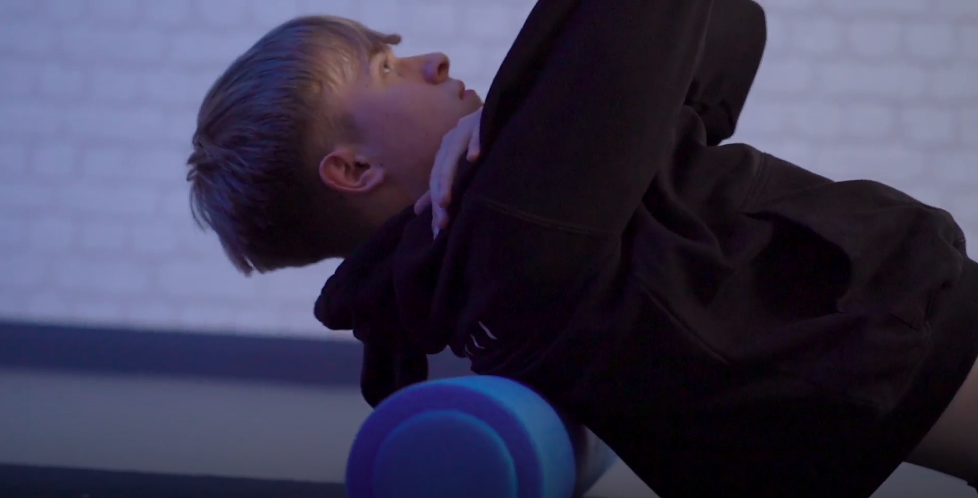
From a therapy perspective, cooling down can also help reduce post-exercise muscle stiffness and maintain flexibility. While it may not completely prevent muscle soreness, it encourages blood flow to working muscles, which supports the recovery process, which allows you to bounce back quicker, perform repetively at a higher intensity with less potential issues.
Cooling down also provides an opportunity for you to assess how your body feels after training or competition. Identifying areas of tightness, discomfort, or fatigue early can help prevent minor issues from developing into more significant injuries. If you notice persistent tightness/ soreness, reduced mobility and flexibility of areas, or unusual aches, then working with a sports therapist can further benefit your recovery and maintenance. Sports therapists can identify underlying issues, which may not be obvious to begin with, i.e. lower back pain being cause by a tight glute or hamstring, or a posterior/ anterior tilt of the pelvis. Sports therapists can build up more specific and targeted cooldown routines, which can help to rehabilitate, improve mobility and flexibility, and even help with training modifications to prevent further injury to areas. A structured cool-down is a simple and effective way to support recovery, maintain mobility, and prepare the body for the next training session. Just ten minutes at the end of exercise can make a meaningful difference over time. Don’t wait until you feel somethings wrong to start following cooldown routines, and don’t wait until you’re in agony to see a therapist!