
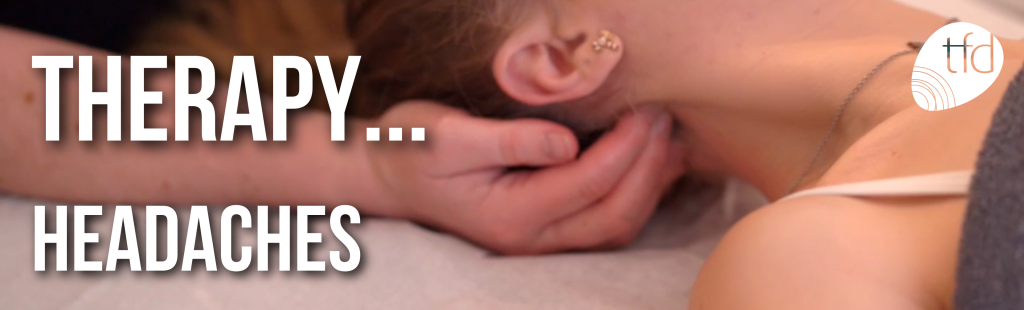
Headaches are typically classified as primary (cause by brain activity, Musculoskeletal or nerve issues) or secondary (symptoms of another underlying illness). The most common triggers include:
Stress and Muscle Tension
Nerve Compression: The suboccipital muscles are a small group of muscles located at the base of the skull and sit directly over delicate nerves, including the second cervical nerve and the greater and lesser occipital nerves. When the suboccipital muscles are chronically tight or in spasm, they can compress or entrap these nerves. This irritation frequently shoots sharp, throbbing, or aching pain at the base of the skull, up the back of the head, toward the ears, or over the top of the skull.
Myofascial Referred Pain: Ever mentioned those “knots” you feel in the shoulders when talking to your therapist? Muscles in the neck and upper back develop hyperirritable spots known as trigger points. When these trigger points tighten in areas such as the sub-occipitals, trapezius, levator scapula, they do not just present at the base of the skull, they “refer” pain to other locations in the head. Active trigger points in this area commonly refer pain to the forehead, the temples, and deep behind the eyes.
Dural Tension: The suboccipital muscles not only connect to the base of the skull, they also have a direct anatomical link to the dura mater (the tough outer membrane surrounding the brain and spinal cord) via a structure called the cervical myodural bridge. When these neck muscles are hypertonic or in spasm, potentially due to stress or bad posture, they cause a physical strain on the dura. This can translate as deep, diffuse sensation or internal pressure in the head.
Oculomotor Strain (Vision Connection): If you are someone who spends a lot of time starring at a screen, this may sound familiar. The suboccipital muscles are heavily integrated with the brain’s balance and visual centres. If you spend hours staring at screens or books, your eyes and neck work together to stabilize your gaze (the cervico-ocular reflex). Focusing fatigue or minor visual defects cause the brain to reflexively tighten the suboccipital muscles to keep the head steady, quickly resulting in tension headaches by late afternoon.
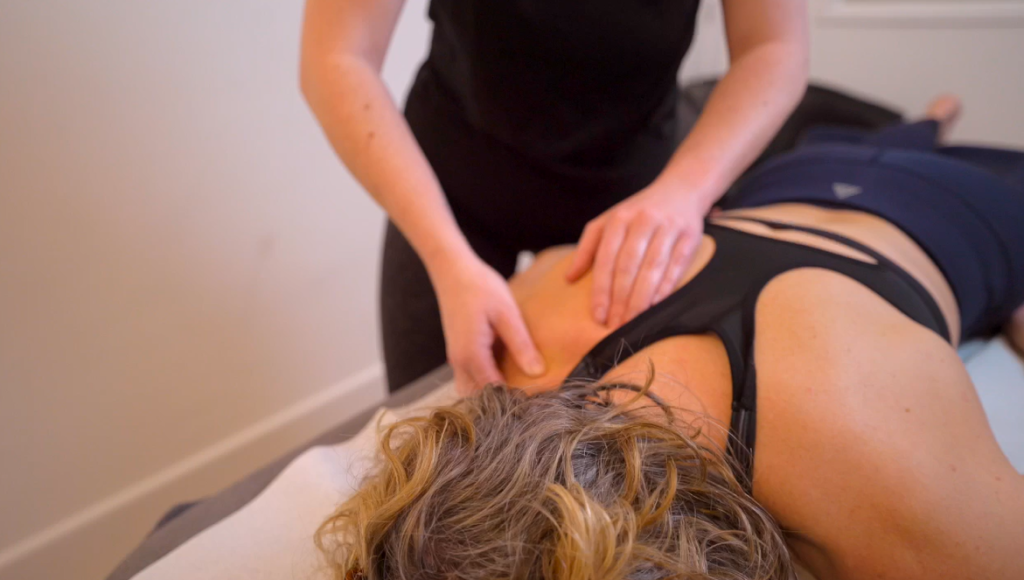
What can we do about it?
There are many ways in which we can help those who are suffering with frequent headaches. For instance, we can start by addressing any dysfunction amongst the musculo-skeletal structures using massage and soft tissue techniques, joint mobilisations, cupping and trigger point therapy. It may also be appropriate to provide rehabilitation advice / exercise plans to help stretch and strengthen certain structures that help to address any postural abnormalities resulting in headaches. Additionally we can highlight any ergonomic factors contributing to the symptoms, particularly for those working from home or those who spend lots of time in front of a screen.
Other causes:
- Dehydration: A lack of fluids is a widespread trigger that disrupts chemical and blood pressure balances.
- Sleep Disturbances: Not getting enough sleep, poor-quality sleep, or sudden changes in sleeps schedules.
- Caffeine or Alcohol Consumption: Hangovers, excessive caffeine, or sudden caffeine withdrawal.
- Illness and Infections: Headaches commonly accompany colds, flu, or sinus pressure.
- Dietary Factors: Skipping meals, or reacting to specific foods and ingredients like nitrates or MSG
If headaches are sudden, intense and non-relieving, then the advice is to seek medical attentions as soon as possible.
Blog by Josh Hatton – Level 5 Soft Tissue Therapist