
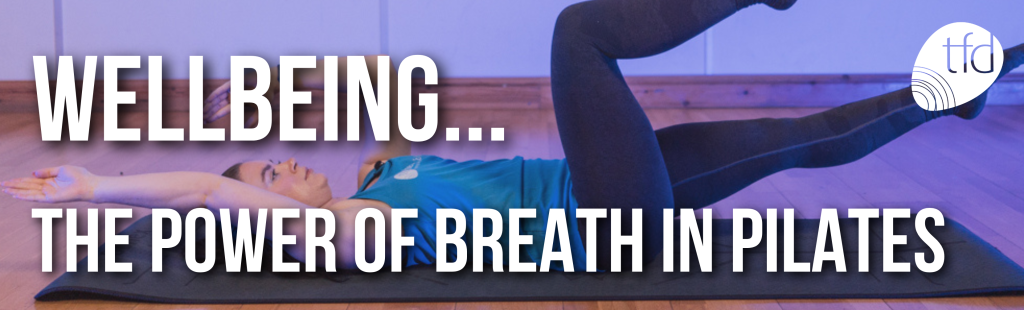
If you’ve ever taken part in a Pilates class, you’ve probably heard the phrase ‘inhale to prepare, exhale to move’. At first, it might feel like just another cue to remember – but breath in Pilates is far more than a rhythm or routine. It’s a transformational tool that enhances strength, control, mindfulness, and overall wellbeing.
Breath Creates Mindful Movement
Breath helps you stay centered, reduce stress, and stay present during movement.
Breath Helps Activate Your Deep Core
Exhaling engages the deep abdominal muscles, improving posture, stability, and strength.
Breath Improves Movement Quality and Flow
Breath supports smooth, coordinated movement and prevents tension.
Breath Boosts Circulation and Relaxes the Nervous System
Deep breathing lowers stress hormones and supports a calmer state.
Breath Encourages Better Lung Capacity and Posture
Lateral thoracic breathing expands the ribcage and improves oxygen intake.
Breath Helps You Manage Effort and Avoid Strain
Proper breathing prevents unnecessary tension and supports controlled movement.
Matching breath with movement strengthens your core, improves posture, calms the mind, and enhances your overall Pilates practice.
Pilates Breathing & Deep Core Activation:
Breath is a key component of Pilates. Exhaling helps activate the deep core muscles (transverse abdominis) which stabilise the spine and support smooth, controlled movement. The following exercises demonstrate how breath enhances deep core engagement.
1. Ab Prep (Chest Lift)
- Inhale to prepare, feeling the ribs expand.
- Exhale to curl the head, neck, and shoulders up.
- Focus on flattening the abdominals as you exhale.
2. Hundreds (Modified or Full)
- Inhale for 5 counts, exhale for 5 counts.
- Use each exhale to draw the abdominals inward.
- Keep the ribs heavy and stable.
3. Single Leg Stretch
- Inhale to switch legs.
- Exhale to stabilise the pelvis and deepen the core.
- Keep the movement smooth and controlled.
4. Supine Toe Taps
- Inhale to prepare.
- Exhale to tap one toe to the mat, keeping the back steady.
- Use the exhale to prevent the lower back from arching.
5. Bridge with Breath Integration
- Exhale to roll the spine up, engaging the core.
- Inhale at the top, expanding the ribcage.
- Exhale to articulate the spine down.
6. Dead Bug
- Inhale to reach opposite arm and leg away.
- Exhale to draw them back to centre using deep core activation.
- Keep the ribcage heavy and stable throughout.
Breath and core activation work together to support stability, control, and mindful movement.
Blog by Debbie Wells – Class Instructor