
When people think about pain, they usually think about something physical, such as a pulled muscle or an injury. While these things absolutely matter, stress can also play a major role in how pain develops and how it feels.
The body and mind are closely connected. When stress levels stay high for long periods, the body often starts to feel the effects physically.
How stress affects the body
When you are stressed, your body enters a heightened state of alertness. This is part of the body’s natural survival response. In shorts bursts, this is completely normal. The problem comes when stress becomes constant.
Long-term stress can lead to:
- Increased muscle tension
- Poor sleep quality
- Reduced recovery
- Fatigue
- Increased sensitivity to pain
Many people carry stress physically without realising it. Common areas include:
- The neck
- Shoulders
- Jaw
- Lower back
Over time, constantly tense muscles can become sore, stiff and irritated.
Stress and pain sensitivity
Stress des not just affect muscles. It can also affect how the nervous system processes pain.
When stress levels are high, the nervous system can become more sensitive. This means small aches or minor injuries may feel more painful than they normally would.
This is one reason why pain can sometimes persist even after tissue healing has taken place. The body stays in a more protective and sensitive state.
It is also why people often notice their pain gets worse during stressful periods at work, poor sleep or emotionally difficult times.
The cycle of stress and pain
Stress and pain often feed into each other. Pain causes stress because it affects sleep, exercise, work and daily life. Then, increased stress makes the pain feel worse. This can become a difficult cycle to break.
For example,
- Stress increases muscle tension
- Muscle tension increases pain
- Pain creates more stress and worry
- Recovery slows down
Understanding this cycle is important. It does not mean the pain is “all in your head”. The pain is still real. Stress is simply one of the factors influencing it.
Managing stress to help with physical pain
Reducing stress will not magically remove all pain, but it can make a significant difference.
Helpful strategies can include:
- Regular exercise
- Better sleep habits
- Relaxation techniques and breathing exercises
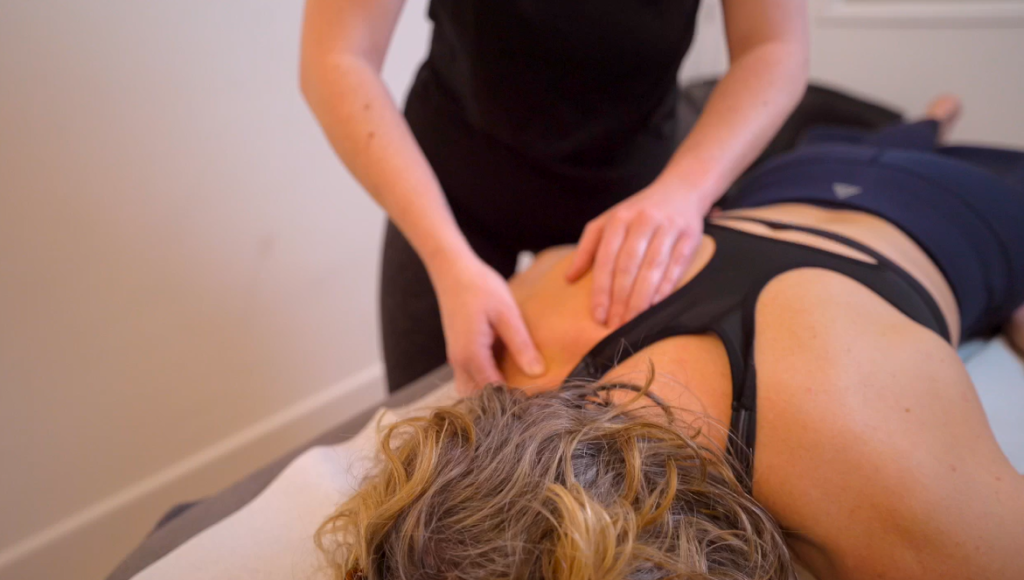
- Massage and soft tissue therapy
- Taking breaks from prolonged sitting or work stress.
- Gradually returning to movement and activity
Exercise is especially important. Movement helps reduce stress levels, improves mood and keeps the body resilient.
For people dealing with persistent aches and pains, it is important to look beyond just the painful area itself. Sometimes the nervous system, recovery, lifestyle and stress levels are just as important as the muscle or joint involved.
Managing stress is not only good for mental health. It can also play a major role in helping the body feel and function better.
Blog by Alfie Griggs – Level 3 Sports Massage Therapist