
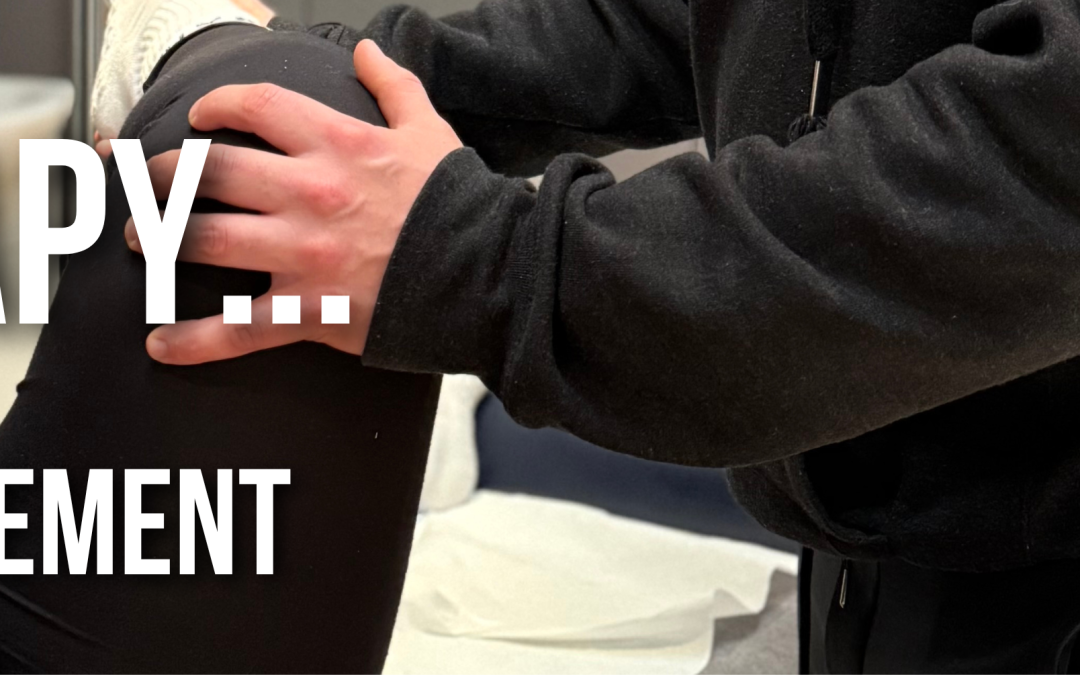
What Is Hip Impingement?
The hip joint supports most of our bodyweight and allows us to walk, run, jump and move comfortably throughout daily life. Although the hip is naturally flexible and robust, its function can become limited over time due to injury, overuse or repeated movement pattrens.
Hip impingement occurs when the ball and socket of the hip joint make abnormal contact. This can irritate or damage the labrum, which is the ring of cartilage that helps stabilise the joint. When the labrum becomes stressed or damaged, symptoms such as stiffness, inflammation, restriction of movementand pain start to develop. Over time, if not managed properly, this can contribute to early wear and tear or arthritis in the hip.
Hip impingement can be caused by slight changes in bone shape at the top of the thigh bone or around the hip socket. It can also be brought on by repetitive movements that push the hip into extreme ranges of motion.
Symptoms of Hip Impingement Include:
- Pain and stiffness in the groin or front of the thigh.
- Hip flexion (i.e., bending) causes sharp pain. For example, when riding a bike or tying shoelaces.
- A ‘clunking’ sound deep in hip when raising or lowering legs.
- Stiffness after being sat down for too long.
- Pinching sensation in hip during movement.
- Less common symptoms include buttock pain, pain on outside of hip and lower back pain and stiffness.
How To Manage Hip Impingement?
Managing hip impingement requires a balance of rest, activity modification and targeted physical therapy. There is no single solution that works for everyone, so the process often involves some trial and error to find what your body responds to best.
Rest is important when symptoms first appear, as it helps calm irritation and prevents further inflammation. However, complete rest is rarely useful for long periods because it often leads to more stiffness and reduced mobility. Ongoing activity is essential, although it must be adapted to avoid movements that aggravate symptoms.
Exercises that were previously comfortable may now feel painful. This does not mean you must avoid movement altogether. Instead, it highlights the need to continue being active but with sensible adjustments to intensity, range of motion or exercise selection. The aim is to keep the hip moving without forcing it into positions that increase discomfort.
How Can a Sports Therapist Help?
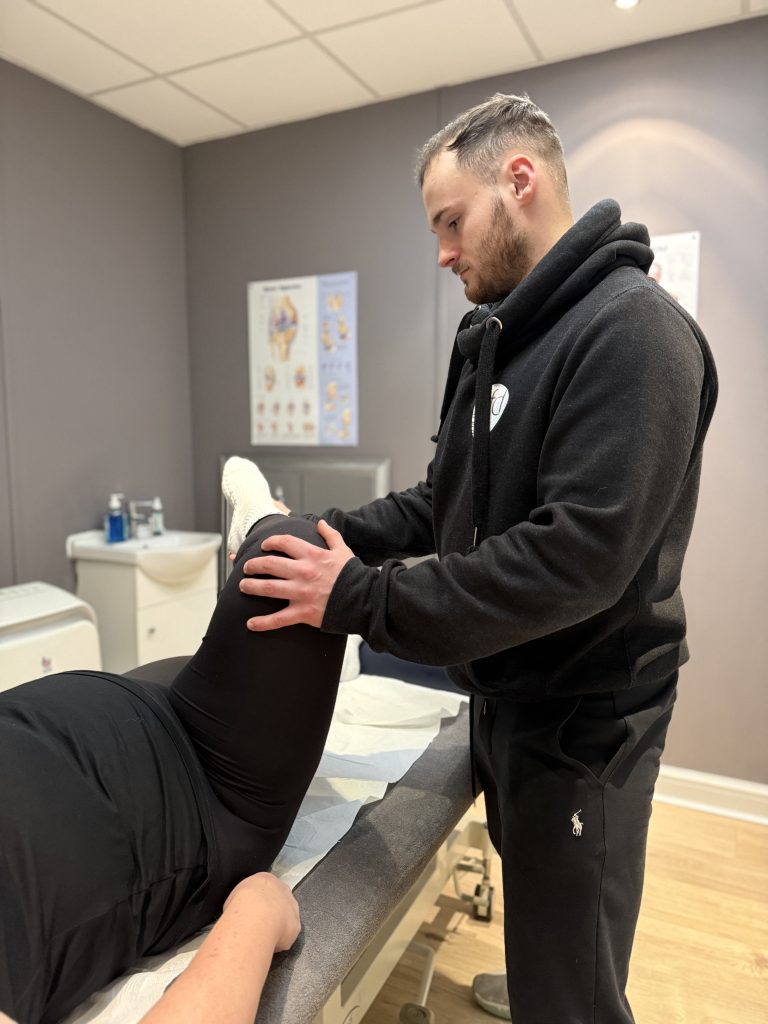
A sports therapist can assess how your hip moves and identify the specific positions or activities that trigger symptoms. Treatment usually focuses on improving hip mobility, reducing muscle tension around the joint and strengthening the surrounding muscles to improve stability. Hands on approaches such as soft tissue work and stretching can reduce stiffness and help restore more comfortable movement.
Your therapist can also guide you through personalised exercises that gradually build strength in the hip without increasing pain. This helps reduce irritation within the joint and improves your ability to move confidently during daily tasks or exercise. Education plays a key role too, as understanding what movements to modify and how to manage flare ups often leads to much better long-term outcomes.
Regular therapy can support both recovery and prevention, helping you stay active while managing symptoms in a controlled way.
Blog by Alfie Griggs – Level 3 Sports Massage Therapist